At 3 a.m., when a family doesn’t know where to turn, someone has to answer the call.
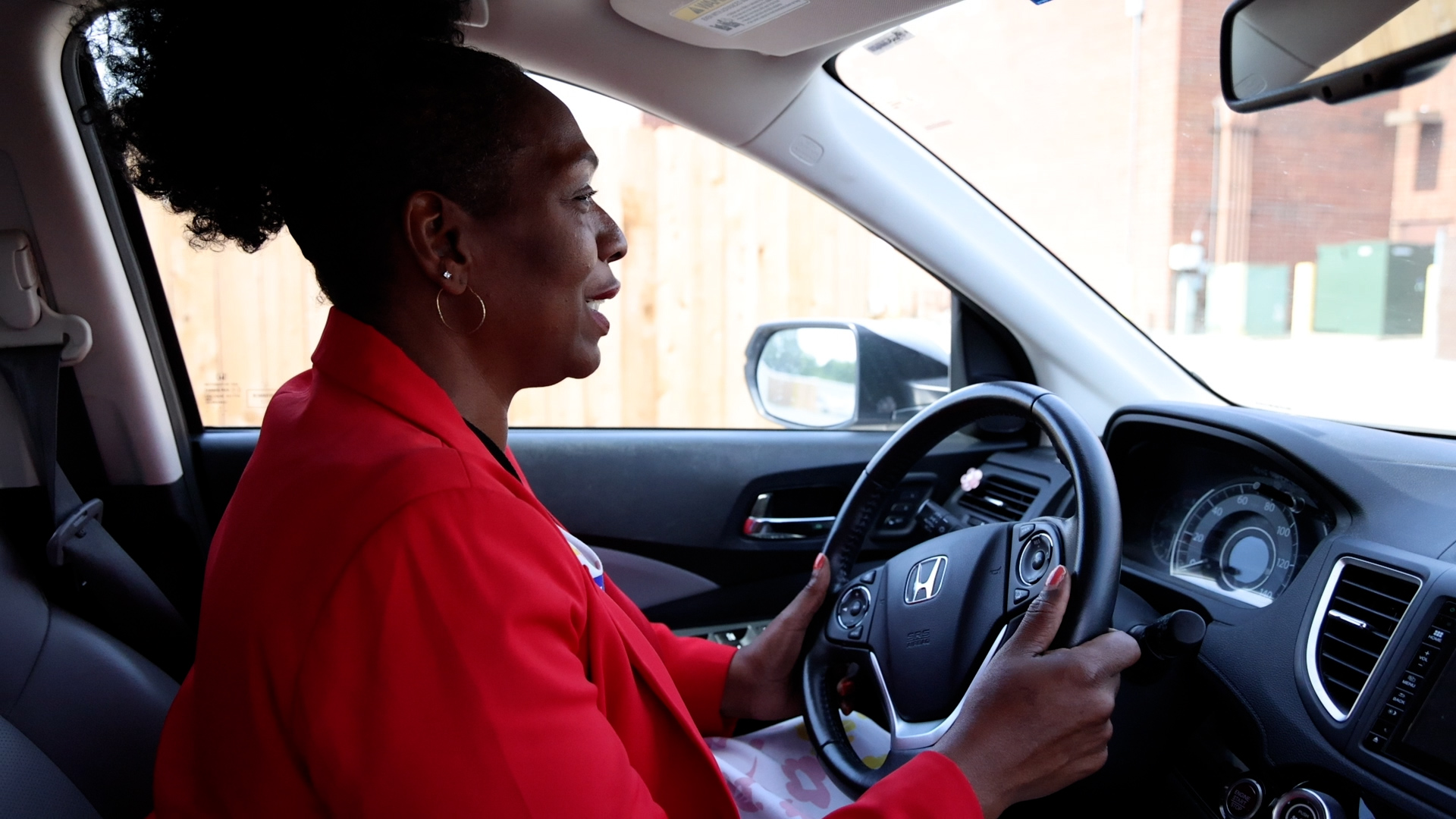
For Metropolitan Family Services’ Mobile Crisis Response (MCR) team, that someone is available 24 hours a day, seven days a week. Whether a crisis happens at home, at school, in a hospital or elsewhere in the community, the team is there for people during some of the most difficult moments of their lives.
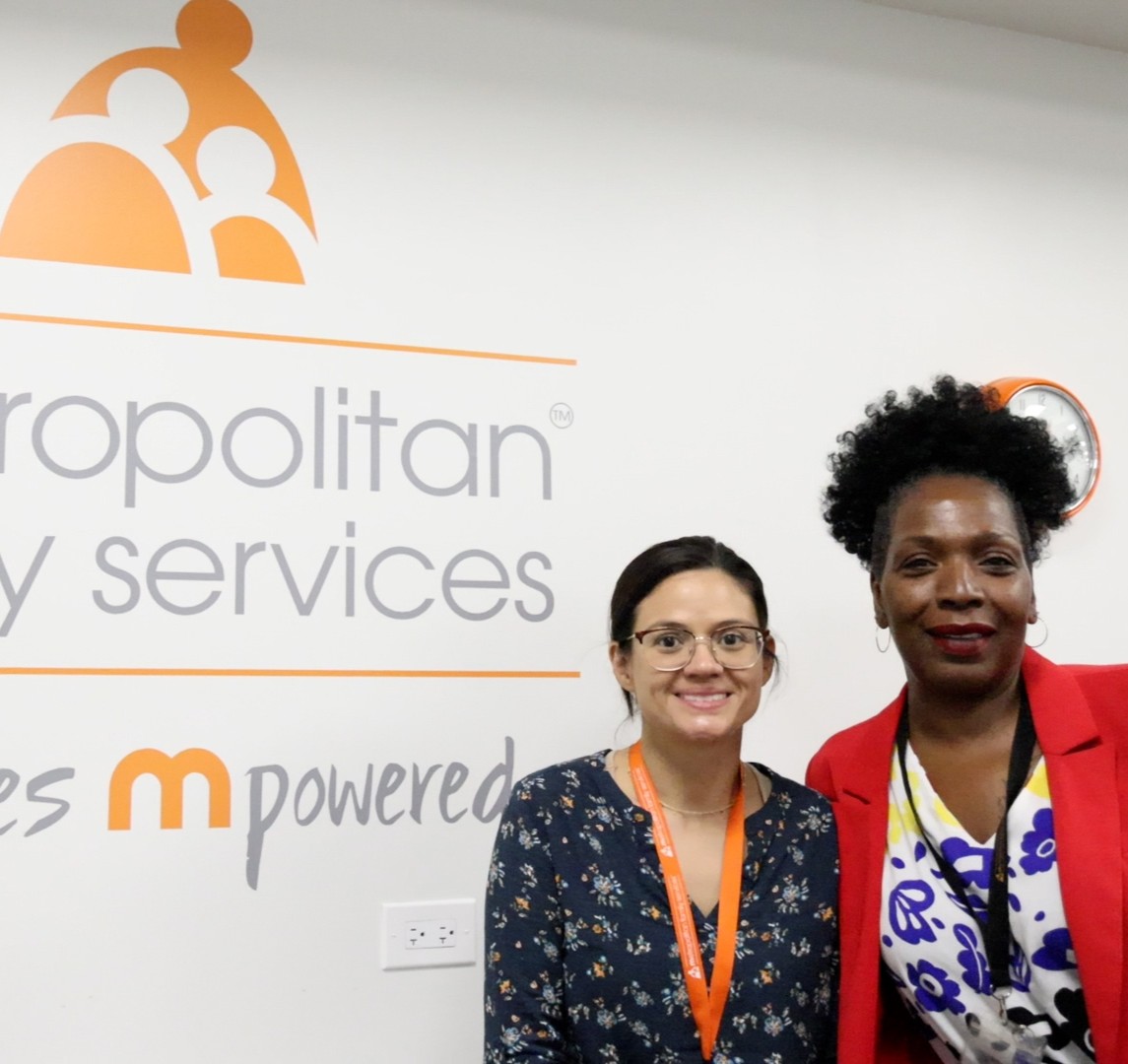 Anne Ortiz and Lynette Jones
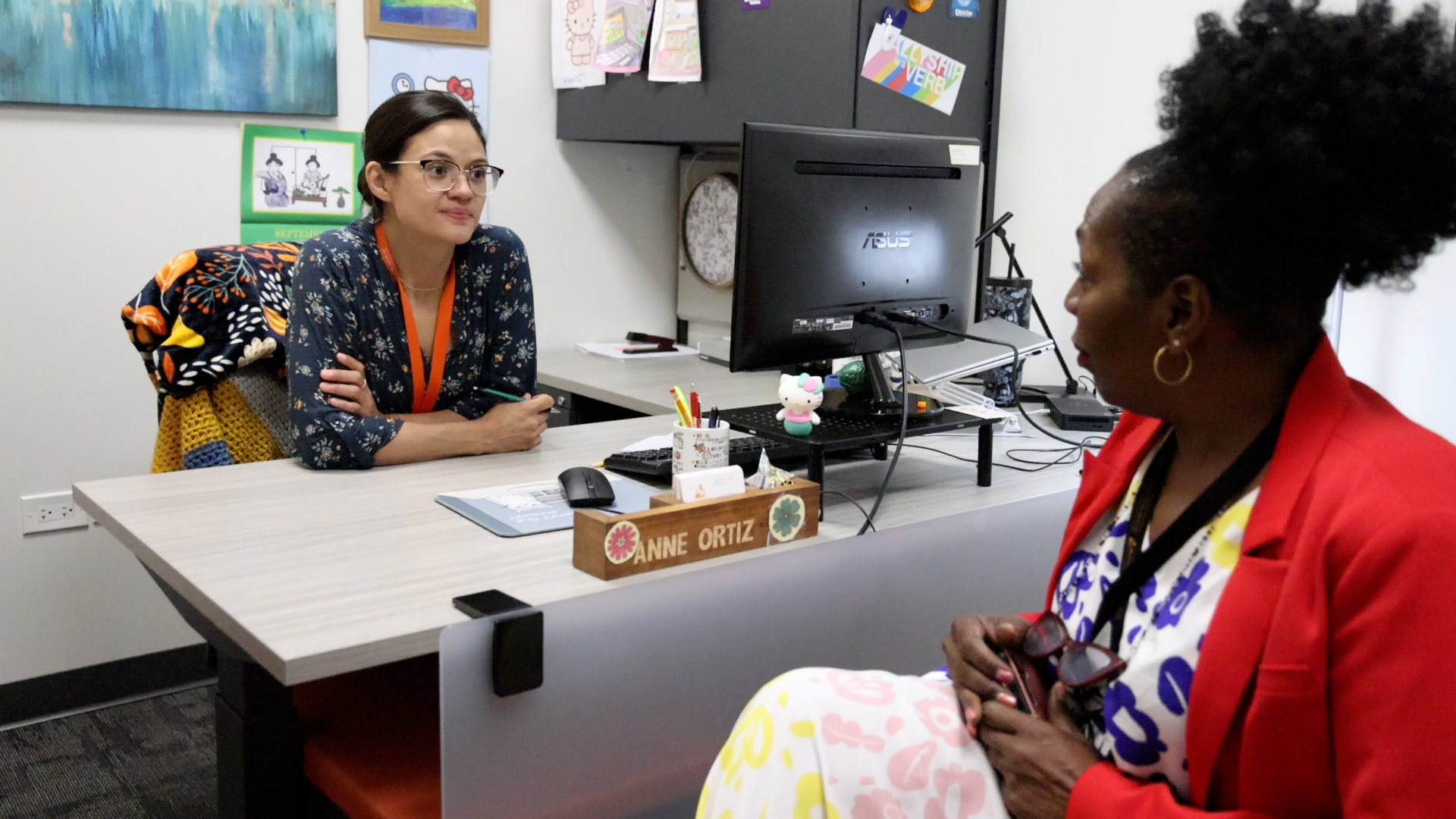
“We literally meet them where they are,” says Anne Ortiz, an MCR social worker. “I love getting out in the community and going on walks with my clients.”
MCR provides immediate crisis stabilization, mental health assessments, safety planning, counseling and connections to ongoing care. The team responds to a range of mental health crises, including anxiety, depression, suicidal ideation, self-injurious behavior and psychosis. Just as importantly, they help remove barriers that often prevent people from accessing care.
“We are the gap,” says MCR Intervention Specialist Lynette Jones. “We fill in the gap between insurance providers, hospitals, doctors.”
For some clients, that gap is transportation. For others, it may be stigma, cultural beliefs or simply not knowing where to turn. By bringing services directly into homes, schools, hospitals and community settings, MCR provides support that is both accessible and immediate.
The work does not end once a crisis has passed. The team helps clients develop safety plans, connect with behavioral health services and find resources for continued care. To Lynette, success is not defined by a perfect outcome but by a person’s willingness to stay engaged and keep seeking support.
“Success for us in mental health is when the client still stays engaged,” Lynette says. “It does not matter that the client has relapsed to us. That doesn’t mean that we shouldn’t help anymore.”
Every day, MCR gives people something that can be difficult to find in a crisis: someone who listens, someone who shows up, and someone who does not give up on them.
“The hardest part of doing anything is taking that first step,” Anne says. “Just calling, telling somebody, saying the words, ‘I need help.’”
For the people MCR serves, that first step can be life changing. And when they are ready to take it, MFS is there.